
Best eSIM Data Plans Compared for 2025 Global Travel
Imagine landing in a new country and instantly connecting to the internet without hunting for a physical SIM card. An eSIM data plan is a digital profile you download directly onto your phone, replacing the need for a plastic chip. This lets you switch between carriers or add data on the fly with just a few taps in your settings. Simply scan a QR code from your provider, activate the plan, and enjoy seamless connectivity wherever you go.
Why Travelers Are Switching to Embedded SIM Technology
Travelers are switching to embedded SIM technology because it makes grabbing an eSIM data plan effortless. You can purchase and activate a local data plan from a single app before you even land, skipping the hunt for a physical SIM card. With a multi-country eSIM data plan, you avoid the hassle of swapping tiny cards every time you cross a border. This means you keep your home number active for 2FA and WhatsApp while using a separate data-only plan from a different provider. No more risky airport kiosk transactions or losing that tiny SIM ejector tool. It’s just a data plan that works the second you turn on your phone overseas.
Understanding the Core Difference Between Physical and Digital SIMs
A physical SIM is a tiny plastic card you slot into your phone, storing your carrier profile locally. A digital SIM, or eSIM, is a programmable chip already embedded in your device. The core difference is that an eSIM data plan is downloaded and activated remotely via software, eliminating the need to swap, carry, or risk losing a physical card. With a digital SIM, you switch carriers by simply scanning a QR code or entering a profile, while a physical SIM requires you to find and insert a new chip.
Physical SIMs are offline hardware you insert; digital SIMs are online profiles you install.
How Instant Activation Changes the Game for International Roaming
Instant activation eliminates the bottleneck of physical SIM procurement, fundamentally reshaping international roaming. Upon landing, travelers no longer hunt for local kiosks or swap fragile nano-SIMs mid-journey. Instead, an esim data plan becomes operational within minutes of purchase, triggered by a QR scan or app click. This real-time connectivity allows logical workflow: you select a plan pre-departure, activate it upon arrival, and your phone connects to the local network without delay. The zero-wait factor removes the typical hour-long setup window, letting you immediately use maps or ride-hailing apps. For frequent cross-border trips, this means seamless transitions between countries without reconfiguring hardware, as each region’s profile activates on demand.
Top Countries Where Digital SIM Adoption Is Highest
For travelers seeking an eSIM data plan, digital SIM adoption peaks in interconnected regions with streamlined activation workflows. Japan leads, where visitors often activate local data before landing due to robust carrier support for embedded profiles. South Korea follows closely, with tourist-specific eSIMs offering immediate QR-code registration at arrivals. The United Arab Emirates ranks high for layover usage, allowing travelers to purchase data packages via airport kiosks with no physical SIM swap. Singapore and Turkey complete the list, offering user-side benefits like instant plan switching between multiple providers within a single device. The typical adoption sequence is:
- Check device compatibility with local carrier eSIM profiles.
- Purchase a plan from a provider like Airalo or Ubigi specific to that country.
- Scan the QR code upon arrival to activate live data within minutes.
Comparing Unlimited, Tiered, and Pay-As-You-Go Options
When selecting an eSIM data plan, comparing unlimited, tiered, and pay-as-you-go options hinges on your usage patterns. Unlimited eSIM plans offer a flat monthly fee for uncapped data, but often enforce a fair usage policy that throttles speeds after a specific high-data threshold, making them ideal for heavy streamers. Tiered eSIM plans provide a fixed data bucket (e.g., 5GB or 20GB) for a set price, with clear overage charges or top-ups, serving consistent users who can estimate their needs. Pay-as-you-go eSIM options charge per megabyte or gigabyte used, with no monthly commitment, best suited for infrequent travelers or backup connectivity. The core practical difference is cost predictability versus flexibility: unlimited and tiered plans avoid billing surprises if you stay within limits, while pay-as-you-go avoids wasted spend on unused data.
Breaking Down Data Caps: What a “10GB Global Plan” Actually Covers
A “10GB Global Plan” isn’t a free-for-all. Understanding data caps means knowing that this cap usually covers high-speed 4G/5G data across the listed countries, but often restricts video streaming to standard definition or blocks peer-to-peer sharing. Once you hit the 10GB limit, speeds typically throttle to a frustrating 128 Kbps, making maps or messaging a chore. Always check if the plan includes the specific regions you’ll visit, as “global” can exclude places like China or Turkey. Don’t assume your hotspot allowance is the same as your phone’s—some plans cap tethering data separately.
- Video streams are often downgraded to 480p to save data within your 10GB cap.
- Social media apps might work, but background data for backups can drain your allowance fast.
- Roaming partners can change—check which local networks grant you full speed before you leave.
When Prepaid Top-Ups Beat Monthly Subscriptions
Prepaid top-ups beat monthly subscriptions for users facing erratic, short-duration connectivity needs. When traveling for 48 hours or troubleshooting a dead local SIM, a one-time small data pack avoids committing to auto-renewing fees for idle days. They also win for device testing: if your eSIM profile is for a secondary phone or a hotspot, prepaid balances eliminate the risk of paying for bandwidth you won’t use across a full billing cycle. This method shines when usage is fragmented—such as a 3 GB “disaster recovery” reserve you might not tap for months.
Q: When do prepaid top-ups beat monthly subscriptions?
A: When your eSIM is for backup work—like a 5-hour airport outage or a weekend road trip—because you only pay for the exact data you consume, with no monthly recurring cost for idle time.
Hidden Fees to Look for in Regional Packages
When selecting a regional eSIM package, scrutinize the fine print for activation or connection fees that inflate the upfront cost. Many providers add a fixed “service fee” per plan, separate from the displayed data price. Watch for daily “top-up” charges if your data runs out mid-trip—some plans automatically deduct from your balance at a higher rate. Always check if “unlimited” regional plans cap speeds after a few gigabytes, turning your experience into throttled tollbooth access. Also, verify whether an eSIM regional package silently imposes a reactivation fee if you switch between countries within its zone, as these hidden costs can double the effective price.
Choosing the Right Coverage for Cross-Border Travel
When choosing coverage for cross-border travel, your eSIM data plan’s regional scope is paramount. Opt for a plan that explicitly lists every country on your itinerary, not just a vague “Europe” zone, since local networks differ.
A multi-region plan saves you from re-purchasing eSIMs mid-trip but check if high-speed data caps apply per nation.
Prioritize plans offering native network access in each destination to avoid throttled roaming speeds. Verify that top-ups or plan switches are instant via the provider’s app, so you’re never left offline between borders. For active explorers, select a plan with unlimited data at a sustainable speed tier, as mapping and translation drain gigabytes quickly.
How Multi-Network Agreements Provide Seamless Connectivity
Multi-network agreements enable an eSIM to dynamically switch between partner carriers without user intervention, maintaining connectivity as you cross borders. Instead of relying on a single foreign network that may have weak rural coverage or congested urban cells, the eSIM’s profile automatically scans available local networks and selects the strongest signal for data throughput. This prevents dropped sessions during train travel between countries and eliminates manual carrier selection. The handover occurs at the network layer, so apps and maps stay online without re-authentication.
- Auto-switches to a local partner carrier when signal strength drops below a threshold.
- Load-balances across multiple networks in high-traffic zones to maintain consistent Mbps.
- Preserves the IP session so VoIP calls and live navigation don’t reset during zone changes.
4G vs. 5G Access in Major Cities vs. Rural Routes
In major cities like Paris or Tokyo, your eSIM will lock onto blazing-fast 5G, making map loads and video calls instant. But that speed vanishes once you hit rural routes between countries. On those winding mountain passes or sparse highways, 4G becomes your reliable workhorse, offering consistent coverage where 5G towers are absent. For cross-border travel, this means you enjoy 5G’s zip in urban hubs, yet your eSIM seamlessly drops to 4G for stable navigation and messaging when crossing into countryside. Always check your plan includes both—you want 5G in cities for speed and 4G on rural legs for constant connectivity.
Understanding Roaming Zones: Single-Country vs. Regional Bundles
When picking an eSIM data plan, grasp how roaming zones for single-country vs. regional bundles dictate your actual coverage. A single-country bundle locks you into one nation’s network—perfect if you’re holed up in a city, but fails when you cross a border. Regional bundles, however, stitch multiple countries into one zone, letting your connection glide as you hop from France to Germany. They cost slightly more upfront but kill the hassle of buying separate plans for each stop. The trade-off? Regional speeds can dip in less-covered pockets, while single-country zones usually max out local towers. Match the zone shape to your itinerary’s spread.
Setup Process Across Popular Smartphone Brands
Setting up an eSIM data plan varies by brand, but the core process is streamlined. On recent iPhones, you scan a QR code from Settings > Cellular, then label your plan. Samsung Galaxy devices require navigating to Connections > SIM Manager, where you add a mobile plan by scanning or entering details manually. Google Pixel phones offer a direct “Download a SIM instead?” prompt during setup. A critical detail: iPhone supports dual eSIMs for active data lines, while most Androids use one physical SIM and one eSIM. For Huawei, the setup is via Settings > Mobile Network > SIM Management, but carrier support is limited. Ensure your device is carrier-unlocked and running the latest OS for compatibility. Always save your eSIM QR code or activation code in a secure digital location before deletion.
Installing a Digital Profile on iPhone, Samsung, and Google Pixel
Installing an eSIM data plan on an iPhone requires navigating to Settings > Cellular > Add Cellular Plan, then scanning a QR code or entering details manually. For Samsung users, go to Settings > Connections > SIM Card Manager > Add eSIM, tapping the carrier’s provided QR. Google Pixel owners open Settings > Network & Internet > SIMs > + Add SIM > Download a SIM instead, selecting the carrier. Across all three brands, ensure your device is unlocked and on Wi-Fi before proceeding. This eSIM profile installation activates instantly, though some carriers require an activation code for manual entry. The sequence follows:
- Confirm carrier support.
- Scan the provided QR code.
- Follow on-screen confirmations.
- Reboot as prompted.
What to Do If Your Phone Lacks Native eUICC Support
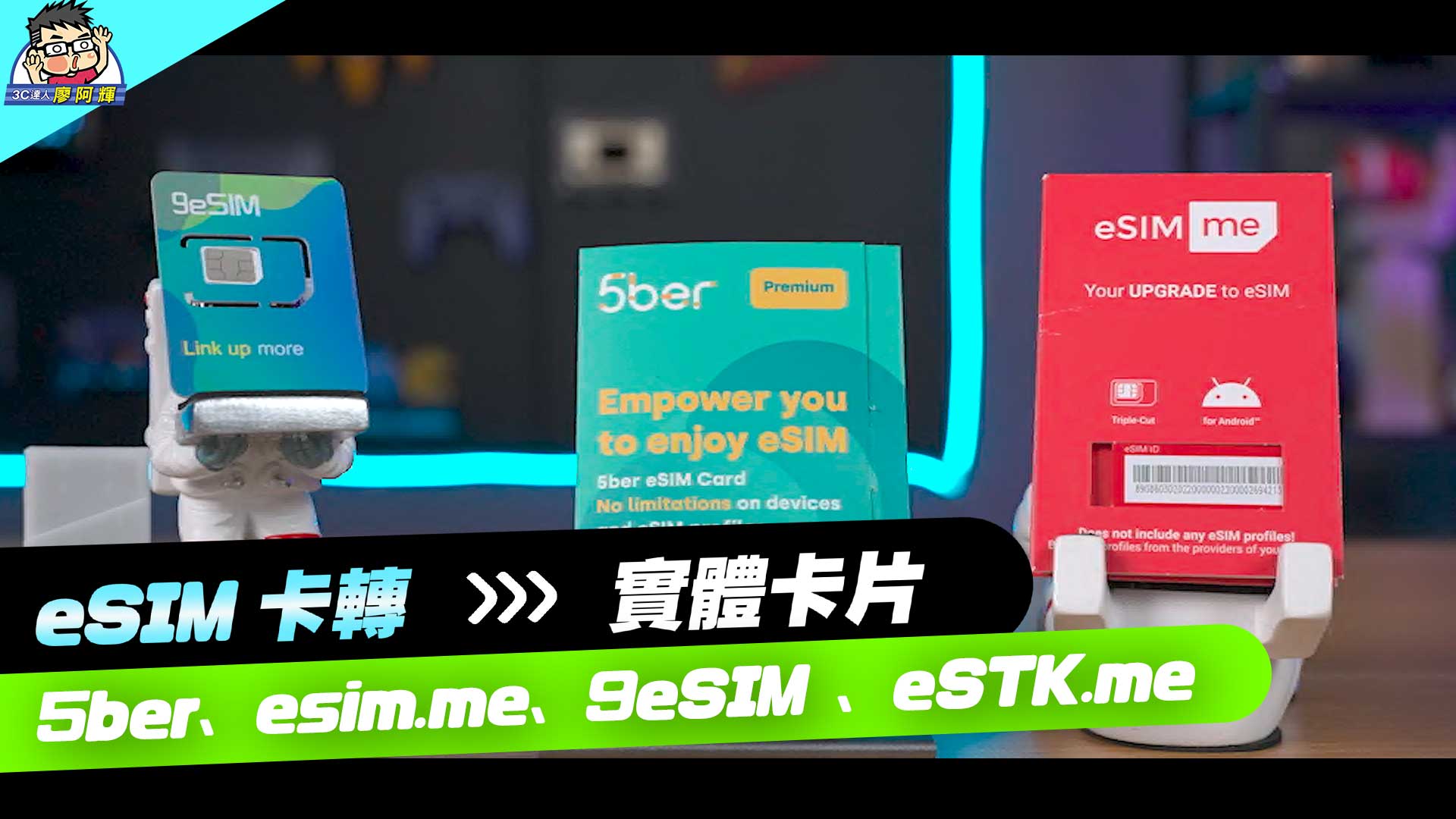
If your smartphone lacks native eUICC support, you can still activate an eSIM data plan by using a physical SIM adapter or a programmable eSIM card. For example, some carriers offer a convertible eSIM kit containing a QR code and a physical SIM that stores the eSIM profile. Alternatively, third-party devices like “eSIM.me” cards allow you to load an eSIM profile onto a removable SIM. Insert the card into your phone’s SIM slot, scan the provided QR code via your device’s settings, and the profile is written to the card. Verify the plan activates by toggling mobile data.
Troubleshooting Activation Errors on iOS and Android
When troubleshooting activation errors for an eSIM data plan, start by ensuring your device is connected to a stable Wi-Fi network. On iOS, go to Settings > Cellular > Add Cellular Plan; if a QR code fails, manually enter the details under “Enter Details Manually.” For Android, navigate to Settings > Connections > SIM Card Manager > Add eSIM. A common fix is to restart the device and toggle Airplane Mode. If the error persists, verify the eSIM profile is not duplicated. A clear sequence for resolution:
- Check that your carrier supports eSIM and your device is unlocked.
- Delete any existing eSIM profile for the plan.
- Re-scan the QR code or re-enter the activation code provided.
- Contact the eSIM provider for a new activation code if errors continue.
Cost Analysis for Frequent Flyers and Remote Workers
For frequent flyers and remote workers, cost analysis of an eSIM data plan hinges on comparing monthly subscription fees against traditional roaming charges or individual local SIMs. A global or regional eSIM bundle (e.g., $50 for 10GB across Europe) often proves cheaper than paying $10–15 per day for standard roaming. However, the value erodes if you over-purchase data you won’t use or if your travel pattern involves short, infrequent trips to single countries where a local SIM is just $5. The break-even point is typically 3–5 travel days per month. Is a $50 global eSIM more affordable than buying separate local SIMs for a 10-day trip across three countries? Yes, as three separate SIMs could easily cost $20 each, totaling $60, with added inconvenience of registration and switching. Ultimately, run a per-gigabyte cost comparison for your specific destinations and data needs, and consider pay-as-you-go eSIMs to avoid wasted monthly fees during idle periods.
Calculating Savings Compared to Traditional International Roaming
Calculating savings with an eSIM data plan begins by comparing your carrier’s daily international roaming rate against the eSIM’s per-gigabyte cost. For a frequent flyer, traditional roaming often charges a flat per-day fee (e.g., $10), which accumulates rapidly across multiple short trips. To compute actual savings, first tally the total roaming charges you would have incurred over a month. Then, subtract the total cost of purchasing eSIM data packages for the same destinations and usage. Per-gigabyte cost comparison is the key metric: traditional roaming may charge $20 per GB, while a regional eSIM can offer $3 per GB. The savings percentage becomes clear when you divide the traditional cost by the eSIM cost for an identical volume of data.
- Log your actual daily roaming fees from past bills for a specific travel period.
- Identify the exact data volume (in GB) you consumed during that period.
- Find a comparable eSIM plan’s price for that same data volume and region.
- Subtract the eSIM cost from the traditional roaming cost, then divide by the traditional cost to get your savings percentage.
When Buying Local Physical SIMs Is Still Cheaper
Local physical SIMs beat eSIM data plans when you station in one country for weeks, as local carriers offer aggressive pricing for long-term validity. A yearly local prepaid card can cost a fraction of an eSIM’s daily roaming rate. For remote workers with a local address, buying a physical SIM at a regional kiosk sidesteps eSIM markups entirely. This option shines where digital activation fees inflate eSIM costs, or your locale has robust prepaid top-up kiosks. Local SIMs are cheaper for long-haul stays because they rely on domestic market competition, not global aggregator margins.
- Multi-month local prepaid plans often cost 60% less than equivalent eSIM packages.
- Physical tourist SIMs in market stalls bypass eSIM platform surcharges entirely.
- Topping up locally with cash avoids eSIM’s recurring payment processing fees.
Long-Term Plan Bundles for Digital Nomads
For digital nomads, long-term eSIM data plan bundles are a game-changer, slashing per-GB costs compared to monthly top-ups. You grab a 30, 60, or 90-day bundle, paying once for a fixed data pool (like 20GB or 50GB). This avoids the hassle of recharging while bouncing between countries. Look for plans that let you pause a bundle if you park in one spot for a few weeks. Some providers even roll over unused data into your next bundle. One tip: a plan covering a wider regional zone (e.g., “Europe”) is usually cheaper than buying a separate bundle per nation. The real win? Stable pricing for months, with no surprise fees.
| Bundle Type | Typical Validity | Best For |
|---|---|---|
| Regional (e.g., Global) | 30–90 days | Multi-country hopping |
| Single-Country | 30–360 days | Slow travel in one nation |
| Pause-able | Flexible start/stop | Layovers or resets |
Security Considerations When Using Remote Provisioning
When remotely provisioning an eSIM data plan, always ensure you’re on a secure Wi-Fi or trusted cellular network to prevent interception of your activation details. Your device should be free of malware, as compromised software can steal your eSIM profile during download. Stick to your carrier’s official app or website to avoid phishing scams that mimic legitimate provisioning portals. Q: Can someone hack my eSIM during remote provisioning? A: It’s rare but possible if you use unsecured networks or fake apps; always verify the source before scanning a QR code or downloading a profile.
How Encrypted Profiles Protect Against SIM Swapping
Encrypted profiles mitigate SIM swapping by binding the eSIM’s cryptographic credentials directly to the device’s secure element. When a remote provisioning server delivers a profile, it is wrapped in a session-specific encryption key that only the intended device can decrypt. This prevents an attacker from reusing the stolen profile on a different handset, as the profile’s authentication keys are locked to the unique hardware identity. Credential binding ensures that even if a fraudster obtains the profile file, it remains inert without the corresponding secure hardware, rendering SIM swap attempts ineffective.

Privacy Risks of Sharing Personal Data with Resellers
When you buy an eSIM data plan from a reseller, you’re trusting them with your personal info like your name, email, and payment details. The big privacy risk is that UK eSIM these third parties often have weaker data protection than official carriers. Your data might be shared with random partners for marketing, or leaked if their security is lax. To stay safe, check the reseller’s privacy policy before buying—look for how they handle your info, not just the plan price. Using a temporary payment method or email alias reduces your exposure if their database gets breached.
Best Practices for Removing a Profile After Travel
After your trip, removing the travel eSIM profile first prevents accidental data charges. Go to your device’s cellular settings, select the travel plan, and tap “Remove eSIM” or “Delete Account.” Keep your primary home profile untouched. Once deleted, the profile can’t be reused—you’ll need a new QR code or app for future trips. Immediately toggle airplane mode off to confirm your home line reconnects. This simple step also frees up device storage and avoids profile conflicts next time you travel.
Delete the travel eSIM immediately after returning—this prevents roaming fees, frees storage, and keeps your primary line active.
Future Trends in Global Mobile Connectivity
Future global mobile connectivity will center on eSIM data plans enabling seamless multi-network switching. You will likely manage a single profile containing multiple carrier subscriptions, allowing your device to automatically choose the strongest local signal for optimal speeds. Plans will increasingly bundle cross-border roaming data as standard, eliminating the need for separate regional purchases. Expect dynamic data pooling, where unused gigs from one month roll over into a virtual “data wallet” usable across any supported network. The user experience will hinge on app-based activation and real-time performance analytics, letting you pause or redirect bandwidth to a preferred carrier for latency-sensitive tasks like streaming or video calls.
The Rise of AI-Optimized Data Routing
AI-optimized data routing is revolutionizing eSIM data plans by dynamically selecting the fastest, most stable network path for your device in real-time. This means your connection intelligently hops between local carriers to avoid congestion, slashing buffering during streaming and lag in video calls. Instead of sticking to a single provider, your eSIM leverages machine learning to prioritize low-latency routes for specific apps, like gaming or video conferencing. The result is a seamless mobile experience where self-optimizing network switching ensures you always get peak performance, even while roaming across borders.
Integration with IoT Devices and Smart Watches
eSIM data plans unlock seamless connectivity for IoT devices and smart watches, allowing you to manage multiple device connections without physical SIM swaps. Your smart watch can operate independently, streaming music or taking calls while your phone stays home. IoT sensors for home security, fitness trackers, or car diagnostics get instant activation, syncing data directly via the same plan account. This eliminates the hassle of separate contracts. **How does an eSIM data plan handle data sharing between my phone and smart watch?** It typically assigns a shared data pool from your primary plan, automatically allocating usage across both devices, ensuring efficient, unified connectivity.
Regulatory Shifts Impacting Non-Terrestrial Network Plans
Regulatory shifts are redefining how eSIM data plans integrate with Non-Terrestrial Networks (NTN). New spectrum allocation rules now mandate that satellite operators coordinate with terrestrial carriers to reduce interference, directly affecting seamless eSIM switching between cellular and satellite modes. For users, this means a future eSIM plan may automatically prioritize emergency services over standard data when crossing into NTN coverage zones. Telecom sovereignty laws also require eSIM profiles to store localised satellite access credentials, ensuring compliance without manual intervention.
Q: How do regulatory shifts impact my eSIM plan’s NTN access?
A: They dictate which satellite bands your eSIM can use in a region, affecting coverage and data speeds for direct-to-device connectivity.
What Is an eSIM Data Plan and How It Differs From a Physical SIM
How the embedded chip stores multiple carrier profiles
The key difference: no plastic card to insert or swap
How to Activate an eSIM Data Plan on Your Phone in Under 5 Minutes
Scanning a QR code or downloading a carrier app
Steps for iPhone, Android, and newer tablet models
What to do if the activation fails or the profile doesn’t load